TRAVELINSIDER
I Tried the ‘Naked Flying’ Trend — Here’s the Secret to Making It Work
By Lauren Andrews, Travel Writer
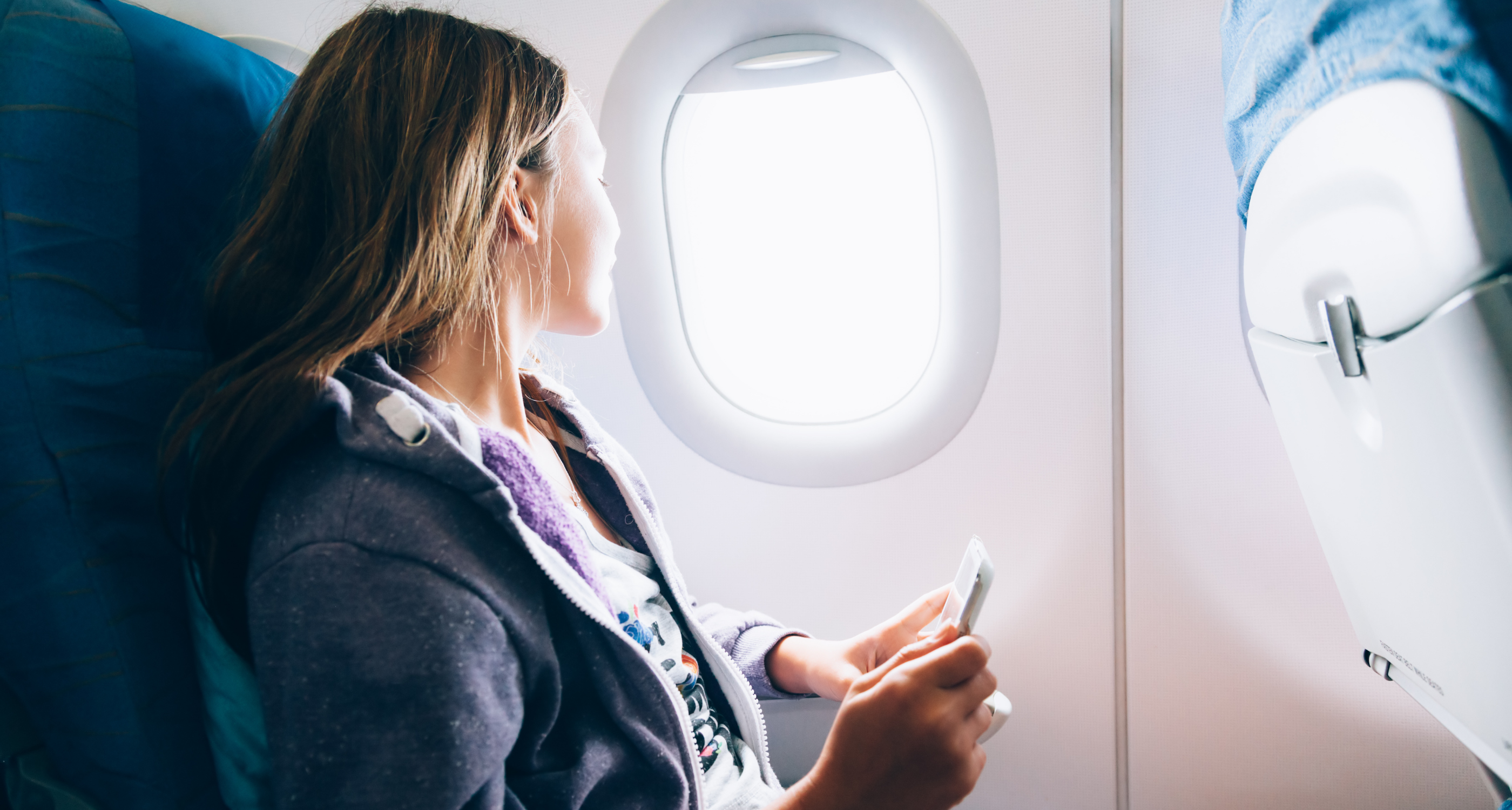
If you’ve spent any time on TikTok or Instagram lately, you’ve probably seen it.
People boarding planes with almost nothing.
No checked bag. No carry-on. Sometimes not even a backpack.
It’s been dubbed “naked flying” — and no, it has nothing to do with stripping down and boarding your flight without clothes.
It simply refers to travelling with the absolute bare minimum to avoid baggage fees, waiting at carousels, or lugging bags around airports.
So I tried it.
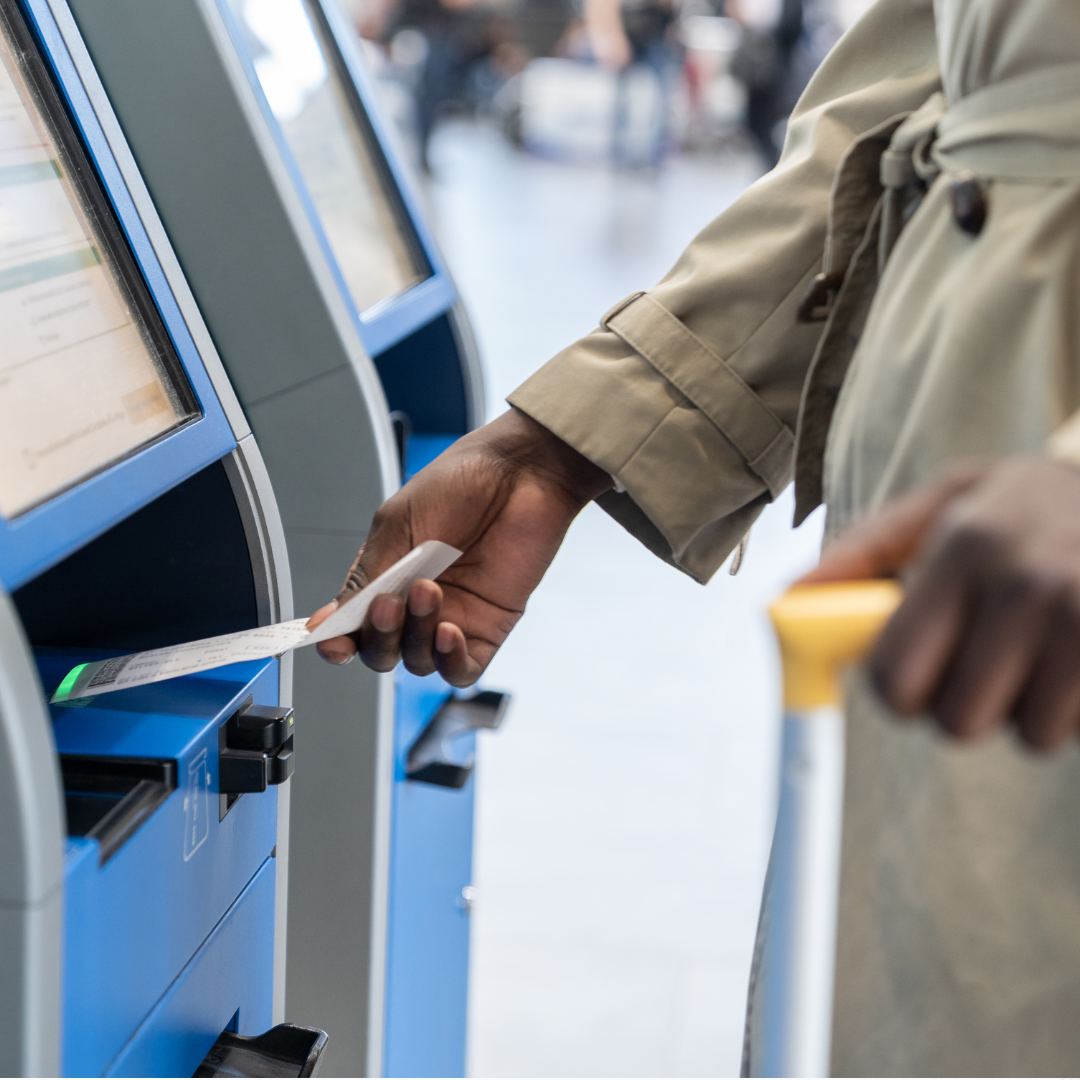
What “Naked Flying” Actually Looks Like
I decided my recent trip from Australia to New Zealand was a great time to test the trend. I was only going for a week – what could go wrong?
I wore my bulkiest clothes onto the plane. A jumper layered over a jacket. Jeans instead of lighter pants. Trainers instead of shoes I’d normally pack.
My pockets were doing most of the work. Phone, passport, wallet, charger — all crammed wherever they’d fit. I carried a small tote for the things that wouldn’t.

Did Naked Flying Work?
Technically, it worked. I flew without a carry-on and only a personal item.
But it wasn’t comfortable.
I was hot at the airport, awkward on the plane, and constantly aware of everything I was carrying on my body.
By the time I landed, I knew I didn’t want to travel like that again.

‘Bare-Bones’ Flying – The Less Extreme Way to Do It
After that trip, it was obvious the trend itself wasn’t the problem.
The goal makes sense. Travelling without checked luggage is faster, cheaper and far less stressful. What doesn’t make sense is wearing half your belongings onto the plane to achieve it.
The more realistic option is what I call ‘Bare-Bones’ flying – travelling with one personal item and one carry-on, without forcing everything onto your body.

The Secret That Makes Bare-Bones Flying Possible
The secret is shrinking your clothes before they go into the carry-on.
Most people don’t hit airline weight limits. They hit space limits.
Clothes take up room because they trap air, not because they’re heavy.
Bare-bones flying works when that air is removed first. For example, vacuum packing compresses clothing down, so the same carry-on can hold far more without forcing you to wear layers onto the plane.

Why Compression Works
Vacuum packing removes the air trapped inside clothes, which is what causes bulk.
Once compressed, items lie flat, stack neatly and stay compact. Nothing expands again when the bag moves, and packing becomes far easier.
It’s the same principle used to ship bulky products efficiently — travellers are just applying it to carry-on luggage.

The Vacuum Packing Hack I Recommend
After that trip, I switched to a vacuum travel bag kit from Simplify Living.
Now, I can pack everything I need for 2 weeks into a single carry-on, without overpacking or leaving outfits behind.
At the time of writing, the kit is available with 40% off, free shipping, a 2-year warranty and a 30-day money-back guarantee.
Bare-bones flying isn’t about travelling with nothing. It’s about skipping the checked-bag fees while still taking all your favourite outfits.
About The Author
Marco Bianchi is a former police detective who spent more than a decade working in tourist-heavy cities across Europe. During his career, he specialised in theft, pickpocketing, and organised distraction scams targeting travellers. Now retired from active duty, Marco shares insight into how travellers can avoid crime overseas.
Recommended:
★★★★★
Vacuum Bag Travel Kit

Saves 60% Luggage Space - Avoid Checked Bag Fees
Includes FREE Portable Air Pump
Keeps Clothes Compressed For Entire Trip
Fits 10+ Days of Clothes In Carry-On
Australia's #1 Vacuum Compression Bag
About the Author
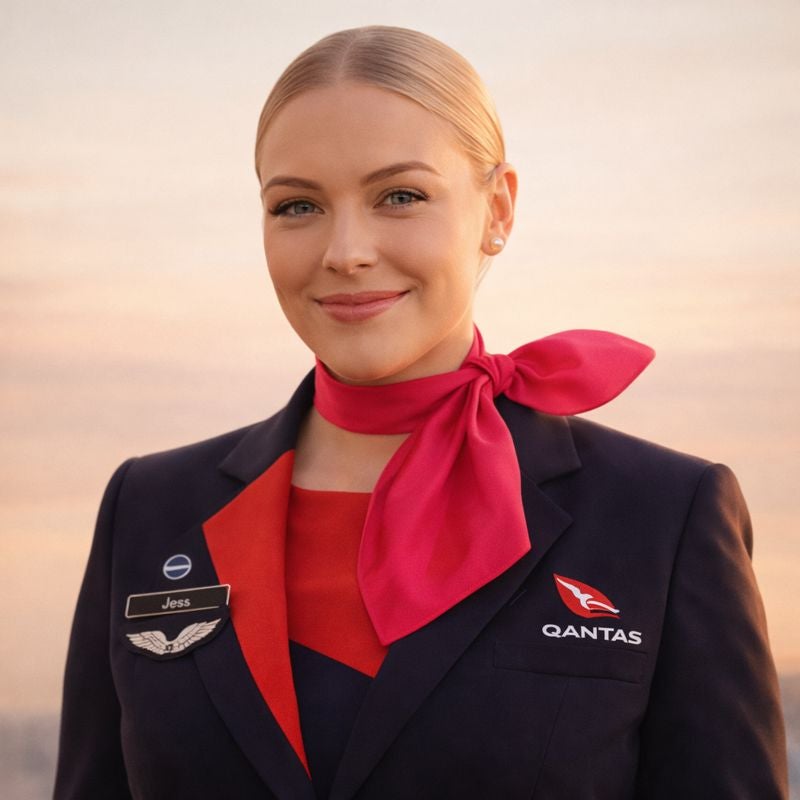
Jess Stanford is a former flight attendant with over eight years of experience working long-haul and short-haul routes across Asia, Europe, and the Pacific. Jess now writes about the small habits frequent flyers rely on to travel lighter, faster, and with less stress — especially when it comes to avoiding checked bags and unnecessary fees.
About The Author
Mark Katoa is a former baggage handler who worked at busy international airports, seeing firsthand how luggage is handled behind the scenes. He now writes about common suitcase failure points, how travellers can protect their gear, and why some luggage wears out faster than expected.
© 2025 - Travel Insider - All Rights Reserved. Privacy Policy | Terms Of Service
THIS IS AN ADVERTISEMENT AND NOT AN ACTUAL NEWS ARTICLE, BLOG, OR CONSUMER PROTECTION UPDATE
© 2021 OrthoWear. All Rights Reserved. Privacy Policy Terms of Service
THIS IS AN ADVERTISEMENT AND NOT AN ACTUAL NEWS ARTICLE, BLOG, OR CONSUMER PROTECTION UPDATE