TRAVELINSIDER
Revealed: The World’s Top City for Tourist Scams and Pickpocketing
By Marco Bianchi, Former Police Detective

Every year, certain cities consistently appear in travel insurance claims and police reports for tourist theft.
One city now tops the list — not because it’s unsafe, but because of how crowded, fast-moving and scam-dense it has become for visitors.
That city is Bangkok.

Why Bangkok Ranks So Highly
Bangkok welcomes tens of millions of tourists each year. Its streets are busy, its public transport is packed, and visitors spend long days navigating unfamiliar areas while carrying phones, cash and travel documents.
That combination creates ideal conditions for theft.
Most incidents aren’t violent or confrontational.
They happen quickly, often without the victim noticing until much later.

The Most Common Tourist Scams in Bangkok
Reports from insurers and travellers point to a consistent mix of physical theft and digital scams.
The most frequently reported issues include:
- pickpocketing in crowded markets and transport hubs
- bag snatching in busy pedestrian areas
- distraction scams near tourist attractions
- RFID card skimming in crowded public places
While traditional pickpocketing remains common, digital theft has increased sharply in recent years.
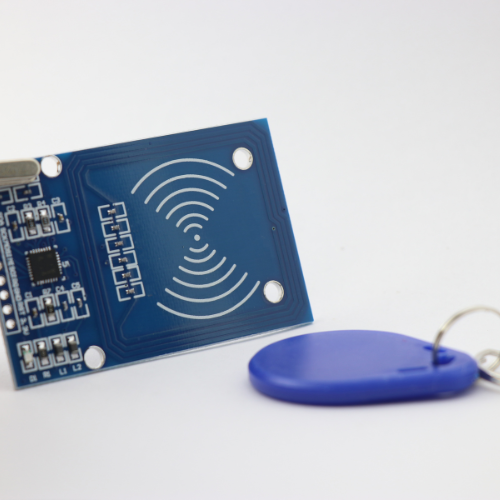
How RFID Scams Work
Many travellers don’t realise their bank cards and passports contain RFID chips that can be scanned at close range.
In crowded environments like public transport, night markets or busy streets, scanners can be used to skim card data without physical contact.
Victims often don’t realise anything has happened until fraudulent charges appear days later.
Bangkok’s density makes this type of theft particularly difficult to detect.
How Experienced Travellers Protect Themselves
Seasoned travellers focus on two things:
- reducing physical access to valuables
- protecting cards and documents from digital scanning
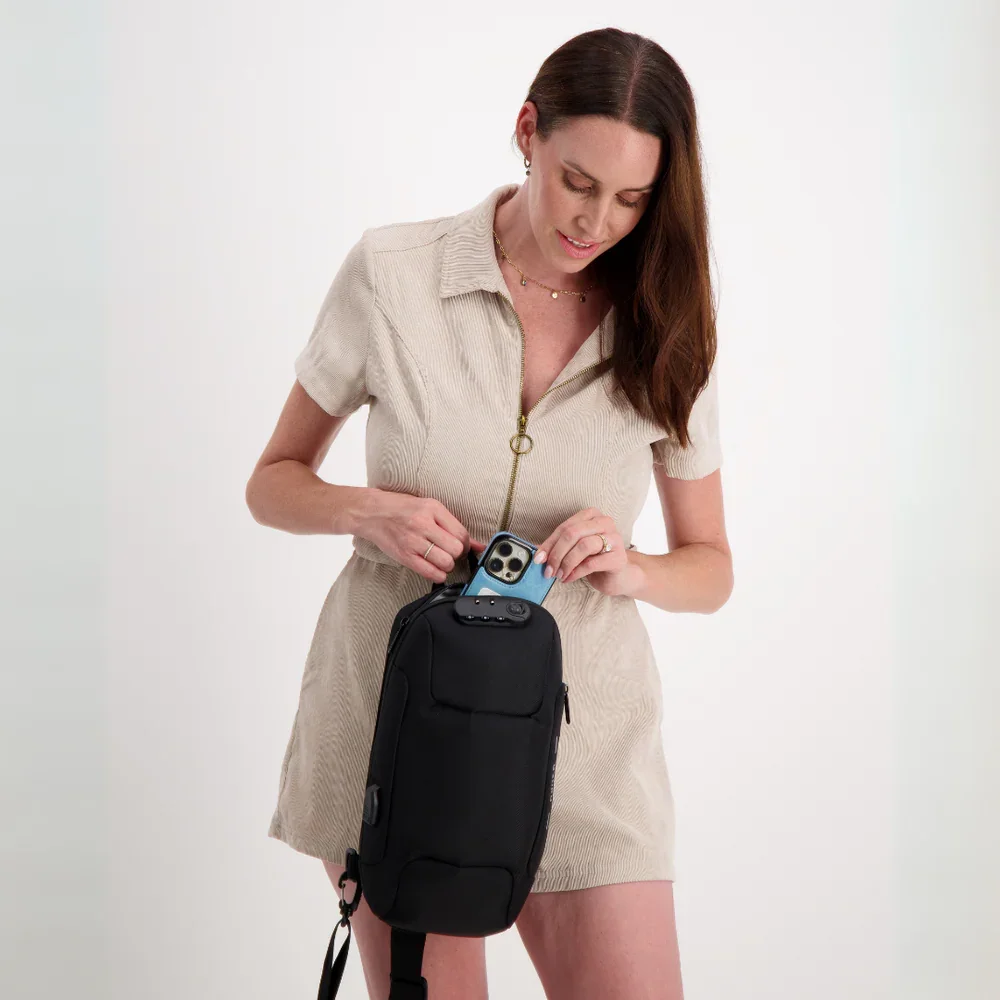
That’s why many now choose anti-theft bags that address both risks at once, rather than relying on awareness alone.
Anti-Theft Bags are a type of bag designed to stop theft.
Unlike backpacks or handbags, they prevent pickpockets with locks, hidden pockets, and cut-proof materials. And they stop RFID blocking with special materials that block the scanners and keep cards safe.

The Anti-Theft Bag I Use in High-Risk Cities
When travelling through cities like Bangkok, I use an anti-theft crossbody charging bag from Simplify Living.
The bag includes RFID protection for cards and documents, along with anti-theft design features that reduce the most common risks faced by tourists in busy cities.
At the time of writing, it’s available with 50% off and free shipping. Plus, it comes with a 2-year warranty and a 30-day money-back guarantee, so you know it’s built tough.
Bangkok isn’t dangerous — but it does demand a bit more preparation. For many travellers, the right bag makes that difference without changing how they travel.
About The Author
Marco Bianchi is a former police detective who spent more than a decade working in tourist-heavy cities across Europe. During his career, he specialised in theft, pickpocketing, and organised distraction scams targeting travellers. Now retired from active duty, Marco shares insight into how travellers can avoid crime overseas.
Recommended:
★★★★★
Anti-Theft Crossbody Charging Bag

Charge Your Phone While You Walk
Keep Cards Safe From Digital Theft
Stop Pickpockets With Hidden Zippers
Fits Phone, Wallet, Passport & Power Bank
Australia's #1 Anti-Theft Travel Bag
About The Author
Marco Bianchi is a former police detective who spent more than a decade working in tourist-heavy cities across Europe. During his career, he specialised in theft, pickpocketing, and organised distraction scams targeting travellers. Now retired from active duty, Marco shares insight into how travellers can avoid crime overseas.
© 2025 - Travel Insider - All Rights Reserved. Privacy Policy | Terms Of Service
THIS IS AN ADVERTISEMENT AND NOT AN ACTUAL NEWS ARTICLE, BLOG, OR CONSUMER PROTECTION UPDATE
© 2021 OrthoWear. All Rights Reserved. Privacy Policy Terms of Service
THIS IS AN ADVERTISEMENT AND NOT AN ACTUAL NEWS ARTICLE, BLOG, OR CONSUMER PROTECTION UPDATE