TRAVELINSIDER
The 30-Second Scam That Leaves Tourists Stranded Overseas
Lauren Andrews, Travel Writer

Most travel scams don’t involve force, threats or confrontation. They take seconds.
And by the time you realise what’s happened, the damage is already done.
According to police and travel insurers, one of the most disruptive scams facing tourists today can unfold in under half a minute — often without the victim noticing anything at all.

How the Scam Typically Starts
It usually begins in a crowded place — public transport, a busy square, a market, or the entrance to a station.
Someone brushes past you, another person bumps your shoulder, or spills water on you, and there’s a brief distraction:
A question, a gesture, a moment where your attention shifts away from your belongings.
Then everyone keeps moving and nothing feels out of the ordinary.
That’s the point.

The Pickpocket Trick Police Say Tourists Fall For Every Time
Police say the most effective pickpocketing tactic isn’t clever — it’s simple.
Distraction paired with access.
While one person draws attention away, another targets items that are easy to reach: a phone in a jacket pocket, a wallet in an open bag, a passport kept “just for today” in a tote or backpack.
The entire exchange can be over in seconds.
Many victims don’t realise anything has happened until much later — when they try to pay for something, check into a hotel, or pass through airport security.

Why the Consequences Are So Serious
Losing a phone or wallet is inconvenient. Losing a passport overseas can be trip-ending.
Once essential documents are gone, travellers often face:
- cancelled cards and frozen accounts
- emergency embassy visits
- police reports in a foreign language
- missed flights and accommodation issues
What started as a brief moment in a crowd can turn into days of disruption.

Why This Scam Works So Often
Tourists behave differently from locals.
They stop more often. They carry more valuables. They’re focused on navigation, photos and surroundings rather than what’s happening around their bag.
From a policing perspective, this scam works because it doesn’t rely on force. It relies on timing and easy access.

Police Tip To Reduce the Risk
Most advice from police and insurers is straightforward: get a bag that protects your valuables.
Look for features like:
Lockable zippers
Hidden pockets for phones and passports
Crossbody design that keeps valuables close
Cut-proof materials
Former detective Marco Bianchi puts it simply:
“Pickpocketing relies on speed. If a bag has locks or limited access, thieves usually won’t bother — they’ll just move on to someone else.”
That’s why many regular travellers now use anti-theft bags rather than backpacks or open handbags.

The Bag I Use When Travelling
When travelling through busy cities, I use an anti-theft crossbody charging bag from Simplify Living.
It’s designed for crowded environments, where distractions are constant and movement is tight.
It comes with a 2-year warranty and a 30-day money-back guarantee, so you know it’s built tough. And at the time of writing, the bag is available with 50% off with free shipping.
Trust me, a bag like this is a worthwhile investment – it could save your passport and stop you being stranded overseas.
About The Author
Marco Bianchi is a former police detective who spent more than a decade working in tourist-heavy cities across Europe. During his career, he specialised in theft, pickpocketing, and organised distraction scams targeting travellers. Now retired from active duty, Marco shares insight into how travellers can avoid crime overseas.
Recommended:
★★★★★
Anti-Theft Crossbody Charging Bag

Charge Your Phone While You Walk
Keep Cards Safe From Digital Theft
Stop Pickpockets With Hidden Zippers
Fits Phone, Wallet, Passport & Power Bank
Australia's #1 Anti-Theft Travel Bag
About the Author
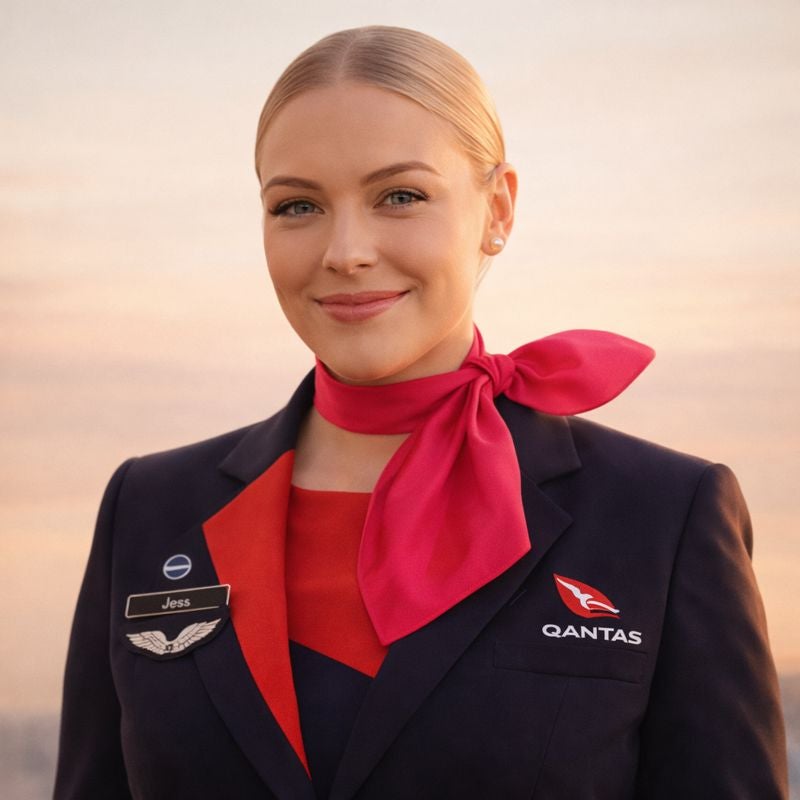
Jess Stanford is a former flight attendant with over eight years of experience working long-haul and short-haul routes across Asia, Europe, and the Pacific. Jess now writes about the small habits frequent flyers rely on to travel lighter, faster, and with less stress — especially when it comes to avoiding checked bags and unnecessary fees.
© 2025 - Travel Insider - All Rights Reserved. Privacy Policy | Terms Of Service
THIS IS AN ADVERTISEMENT AND NOT AN ACTUAL NEWS ARTICLE, BLOG, OR CONSUMER PROTECTION UPDATE
© 2021 OrthoWear. All Rights Reserved. Privacy Policy Terms of Service
THIS IS AN ADVERTISEMENT AND NOT AN ACTUAL NEWS ARTICLE, BLOG, OR CONSUMER PROTECTION UPDATE